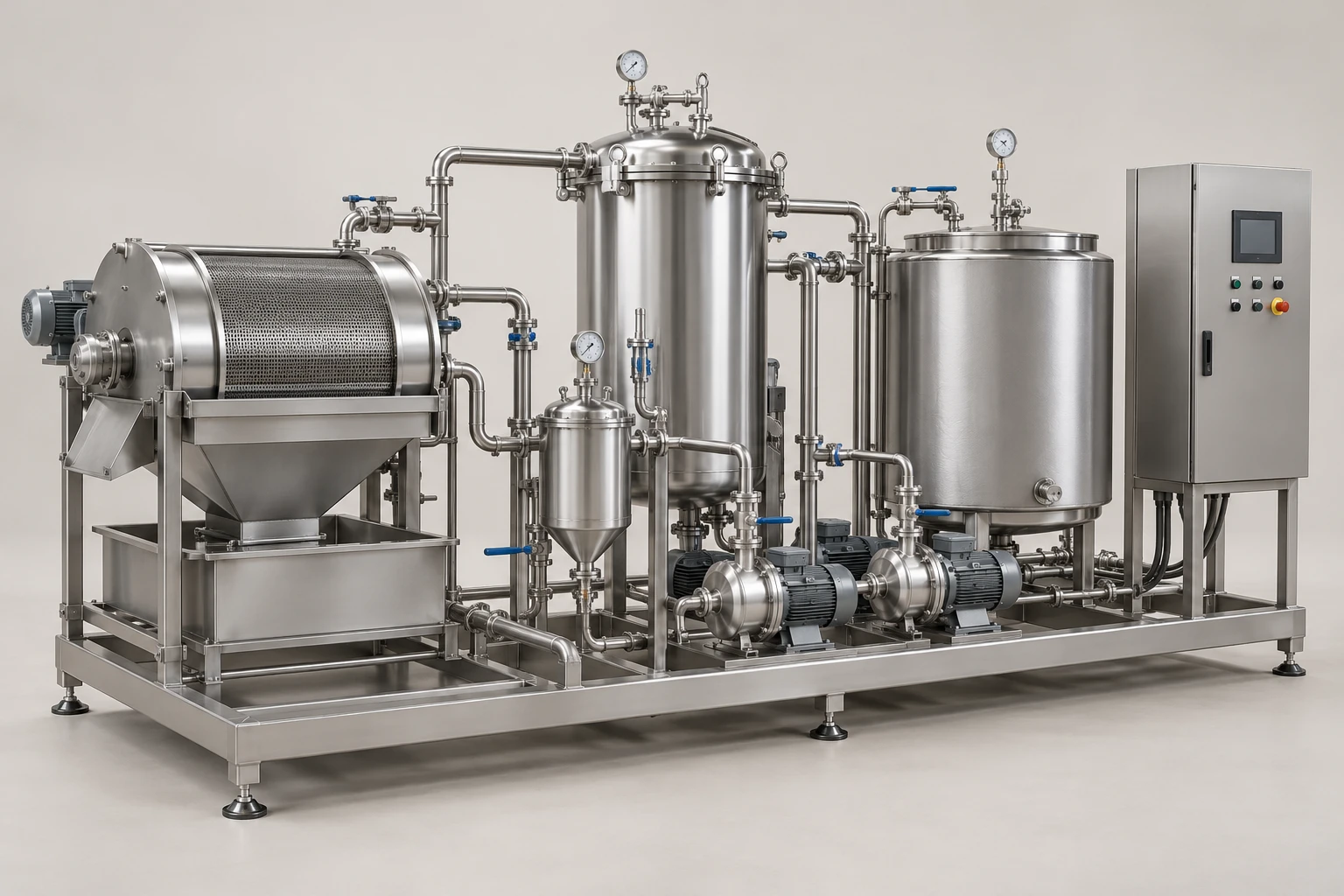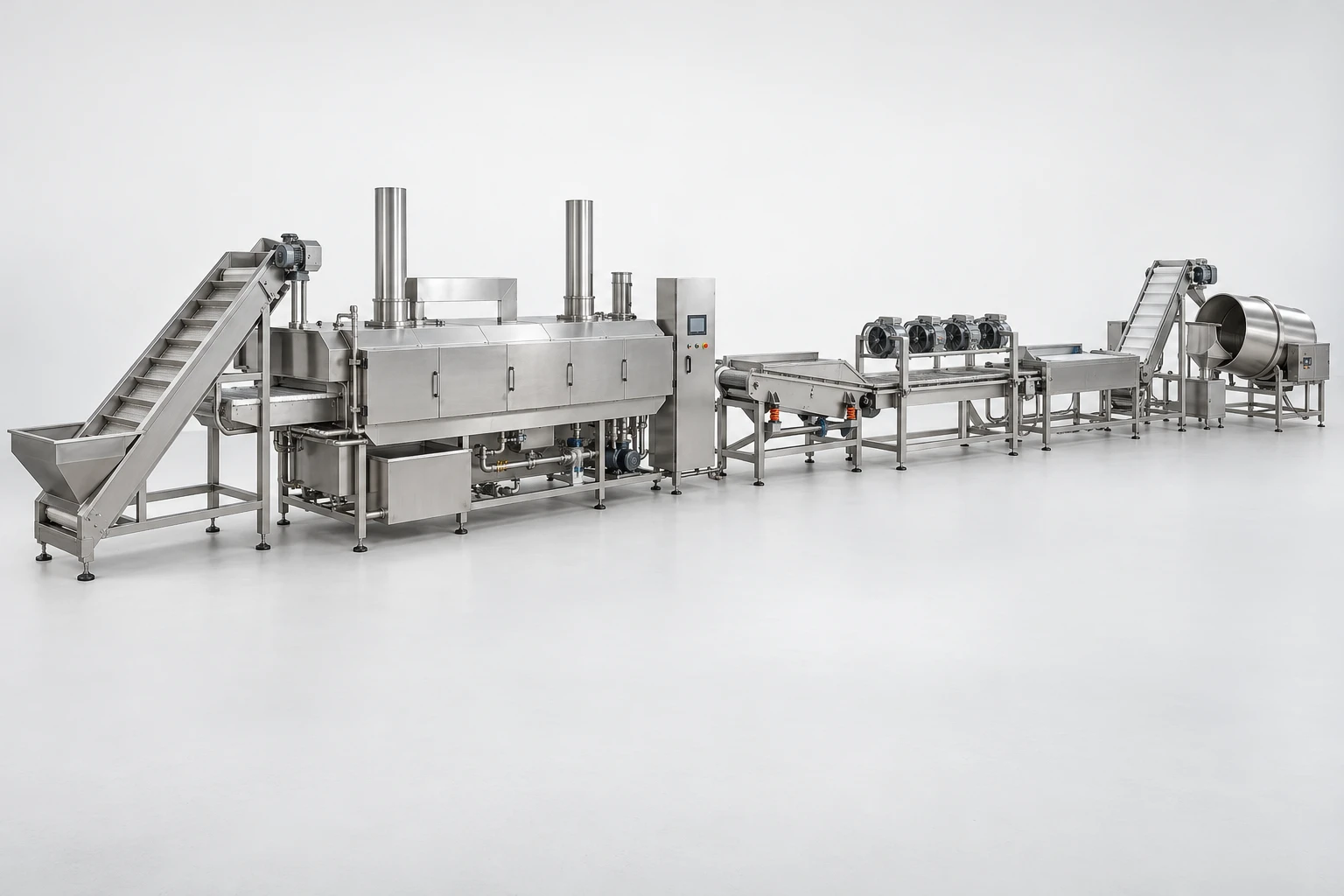
1. Raw potato receiving and preparation
Start by defining potato variety, dry matter, size range and storage condition. Sorting removes unsuitable material before washing and peeling. Variations at this stage can affect slice integrity, frying time, color and finished yield.
2. Slicing and surface-starch control
Consistent slice thickness supports a narrower frying-time range. After slicing, washing or other product-specific pretreatment removes loose surface starch and prepares the slices for controlled frying. The exact route depends on the raw potato and desired chip style.
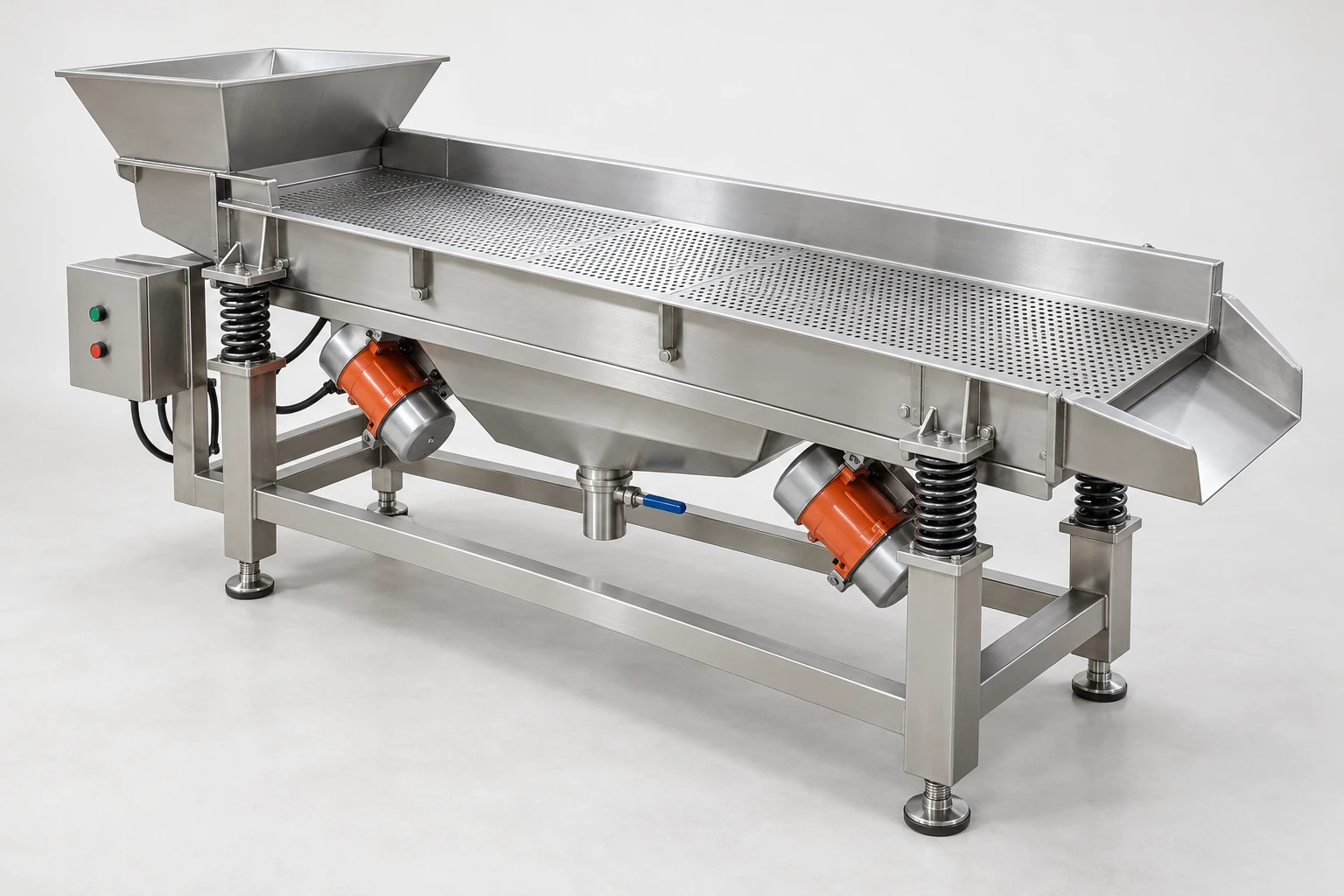
3. Water removal before frying
Free surface water increases the load on the fryer and can disturb the oil when slices enter. Drainage, vibration or air-assisted water removal should provide a steady, separated feed without damaging the slices.
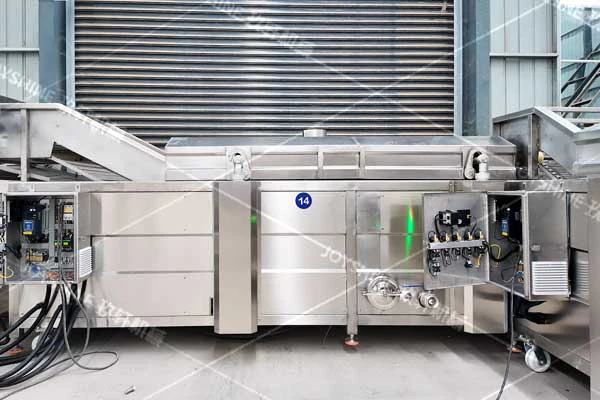
4. Continuous frying
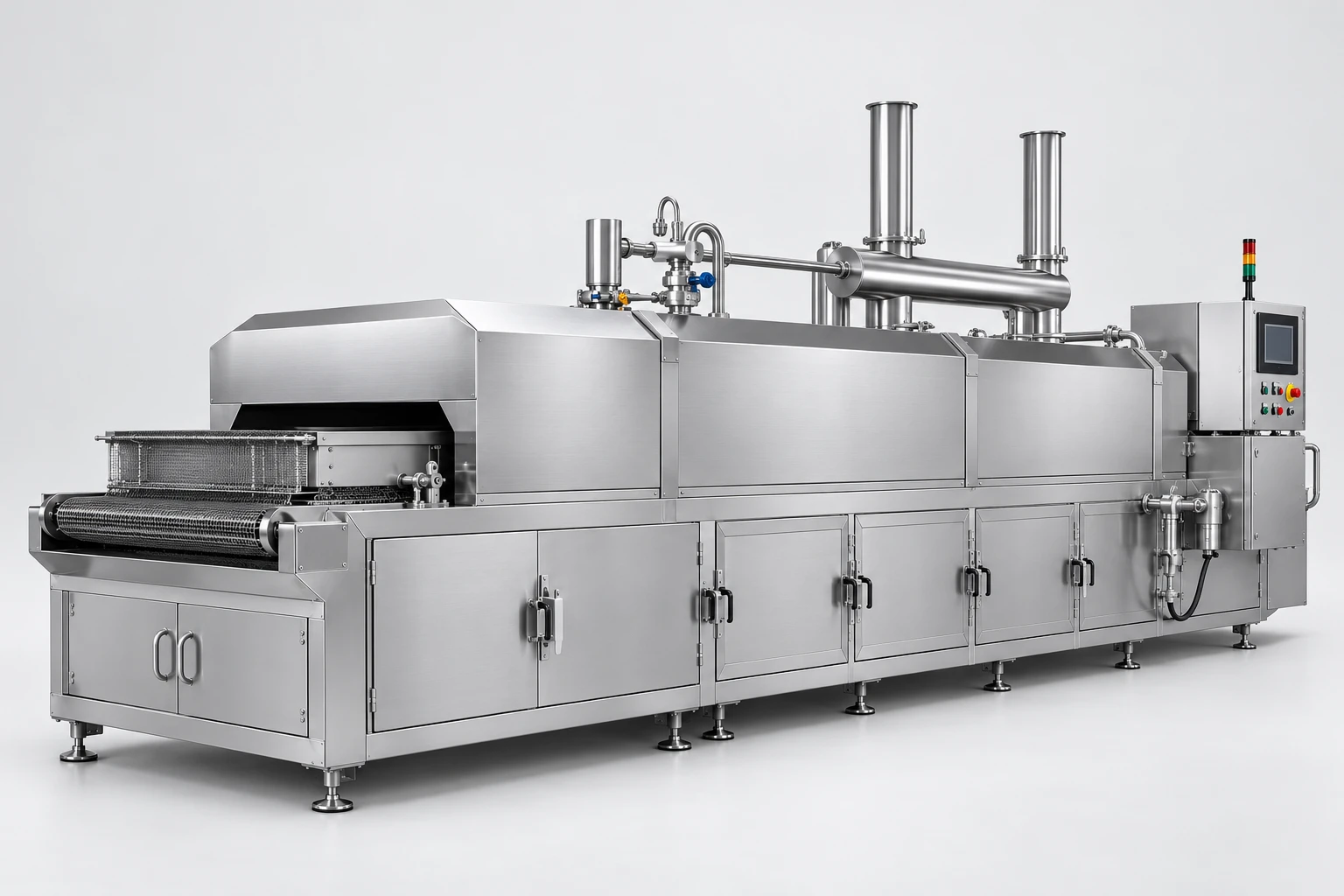
The fryer combines oil temperature, residence time, slice loading and product movement. A hold-down or guiding arrangement may be used to keep floating slices within the frying zone. The required heating duty must account for the incoming product and the moisture removed during production.
The continuous potato chips frying line is configured around the required finished output and workshop conditions. Published planning ranges are useful for initial discussion, but the final belt area, oil system and heating arrangement remain project-specific.
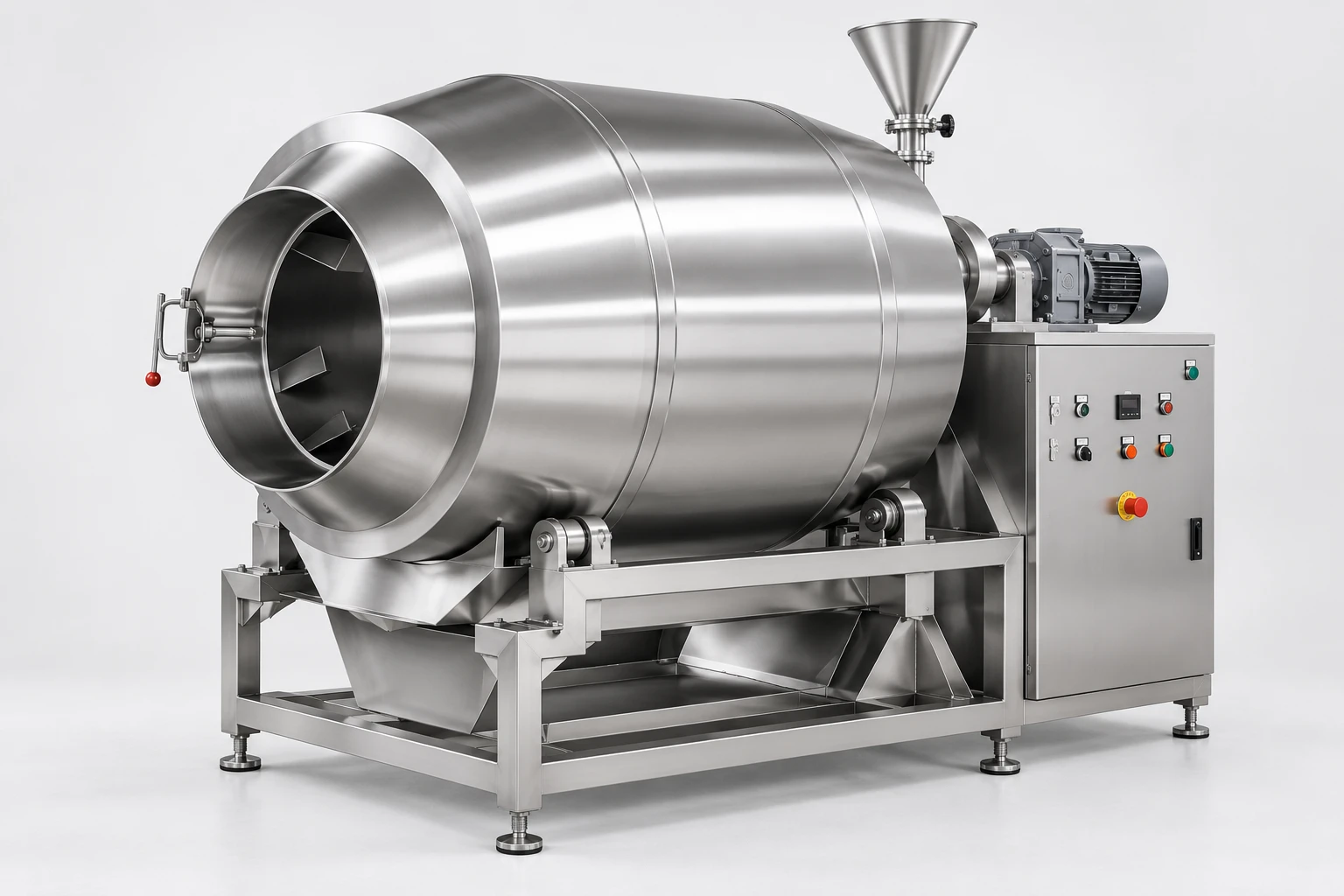
5. De-oiling, cooling and seasoning
After frying, the line should remove surface oil without breaking the chips. Cooling stabilizes the product before packing, while an automatic seasoning drum applies powder or liquid flavor at a controlled rate. Product temperature and surface condition influence seasoning adhesion.
6. Inspection and packing
Before packing, the project may include visual inspection, metal detection and product distribution to multihead weighers. Packing capacity must match the fryer output, bag size and number of flavors. The supply boundary should clearly state which inspection and packaging equipment is included.
How to state potato chips line capacity
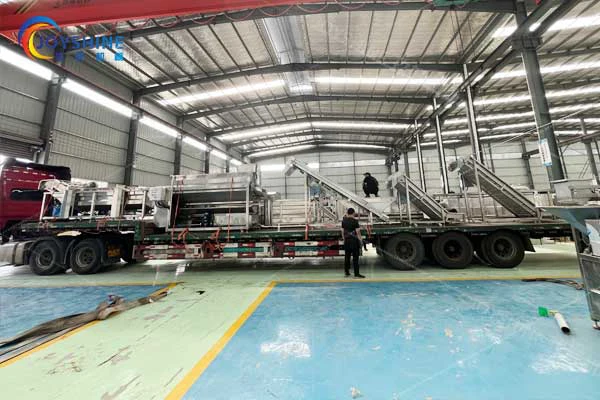
Use finished chips per hour when comparing complete lines, and record the expected raw-potato input separately. Variety, peeling loss, rejected slices and moisture removal all affect yield. The Bolivia project records 150 kg/h finished chips for its specific line and factory-tested configuration.
Information needed for line design
- Potato variety, size range and seasonal changes
- Chip thickness, shape, final moisture and color target
- Target finished output and daily operating schedule
- Preferred peeling, blanching or pretreatment method
- Flavor count, bag sizes and packing arrangement
- Factory dimensions, utilities, drainage and ventilation
Review the complete potato chips frying solution before requesting a layout or quotation.